Archives
- 2026-10
- 2026-09
- 2026-08
- 2026-07
- 2026-06
- 2026-05
- 2026-04
- 2026-03
- 2026-02
- 2026-01
- 2025-12
- 2025-11
- 2025-10
- 2025-09
- 2025-04
- 2025-03
- 2025-02
- 2025-01
- 2024-12
- 2024-11
- 2024-10
- 2024-09
- 2024-08
- 2024-07
- 2024-06
- 2024-05
- 2024-04
- 2024-03
- 2024-02
- 2024-01
- 2023-12
- 2023-11
- 2023-10
- 2023-09
- 2023-08
- 2023-07
- 2023-06
- 2023-05
- 2023-04
- 2023-03
- 2023-02
- 2023-01
- 2022-12
- 2022-11
- 2022-10
- 2022-09
- 2022-08
- 2022-07
- 2022-06
- 2022-05
- 2022-04
- 2022-03
- 2022-02
- 2022-01
-
br Conclusion These studies broadly demonstrate that
2024-09-14
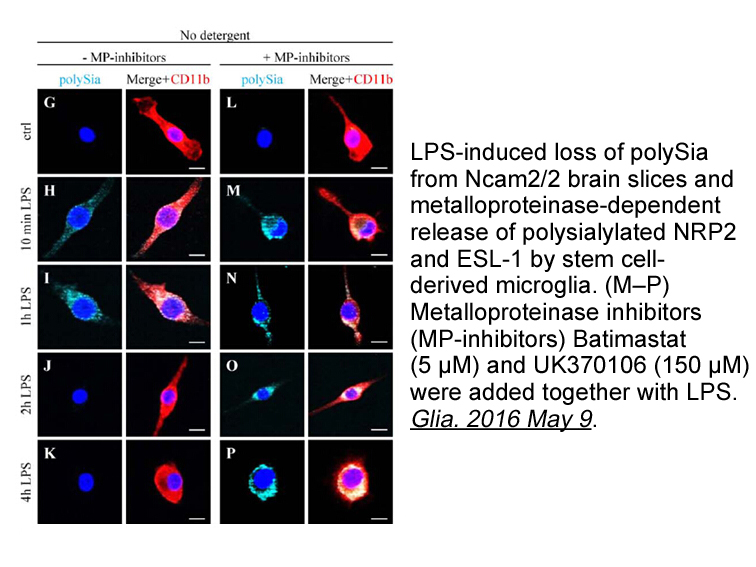
Conclusion These studies broadly demonstrate that dopamine and endocannabinoid signaling in the NAc can have diverse effects on AMPAR-mediated synaptic function depending on previous psychostimulant experience. Here, we examined mechanisms underlying the depotentiation of AMPAR-mediated synaptic
-
br Introduction Chronic kidney disease CKD is a
2024-09-14
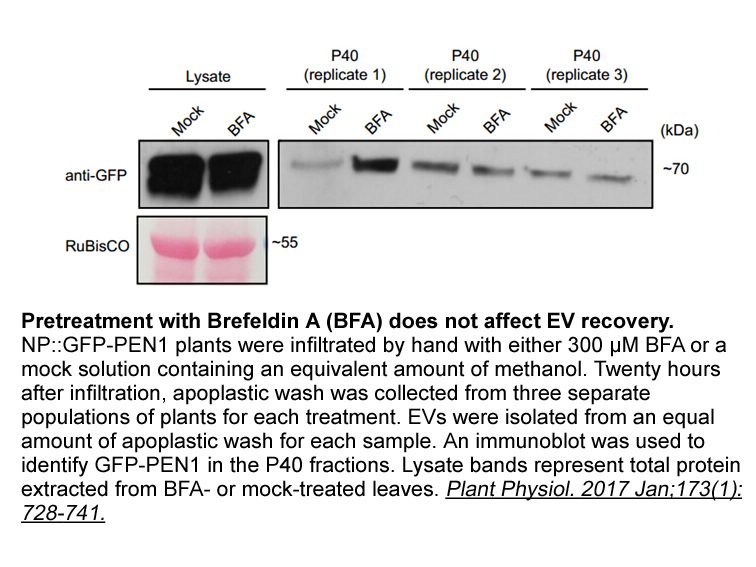
Introduction Chronic kidney disease (CKD) is a worldwide public health problem. This problem is even worse in socioeconomically deprived countries because lower income and social deprivation are associated with higher incidence of reduced GFR, progressive kidney function loss and end stage renal
-
It has been reported that HT R involves in
2024-09-14
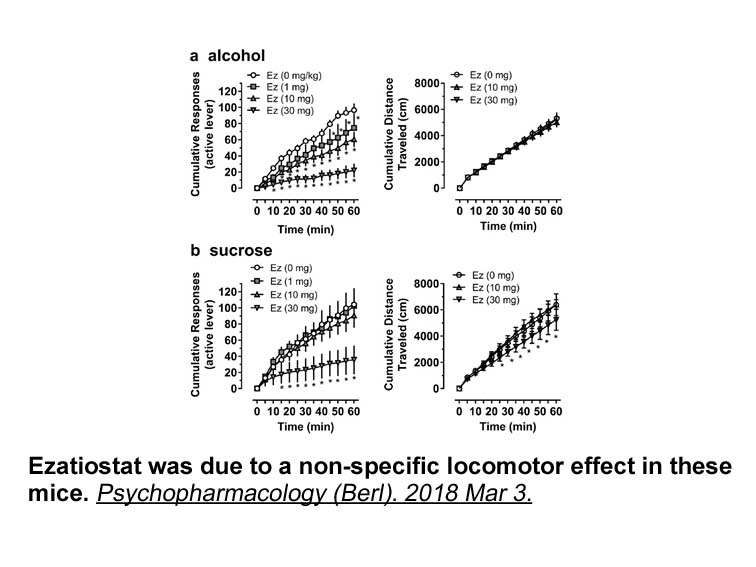
It has been reported that 5-HT2R involves in type 2 diabetes mellitus and 5-HT-induced IR [22,23]. The present study also demonstrated that it is 5-HT2R rather than other 5-HT receptors, including 5-HT1BR and 5-HT7R, in the liver that mediates HFD-induced abnormality of hepatic lipid metabolism, and
-
In the olfactory bulb expression was
2024-09-14
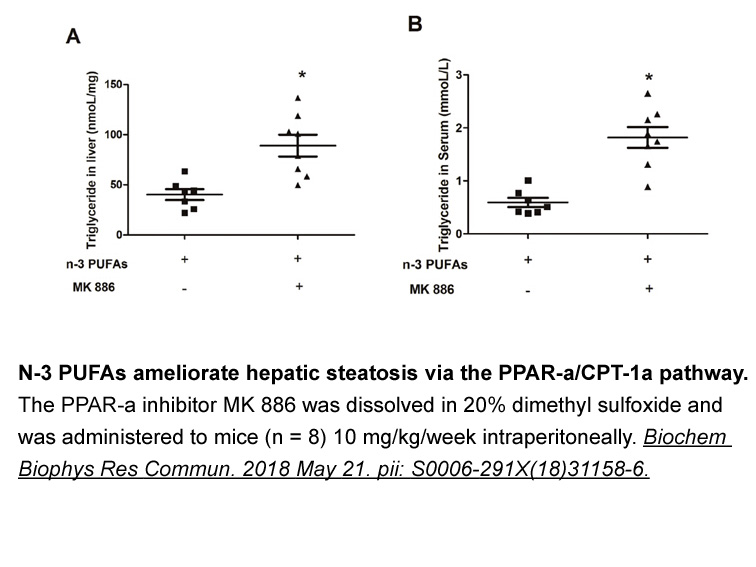
In the olfactory bulb, expression was especially prominent in the mitral cell layer from embryonic stages to adult tissues (Figs. 1D–G). By E14–E16, Ack1 signal was remarkably intense in the proliferative ventricular zone (Fig. 1D). From E18 to adult, expression was also observed in glomerular and g
-
A review has recently been published to evaluate the potenti
2024-09-13
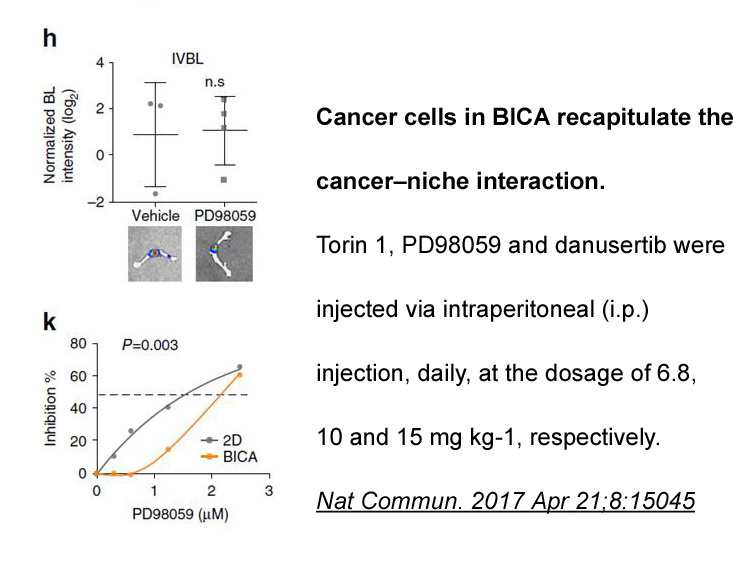
A review has recently been published to evaluate the potential effects of food, alcohol and p2x7 antagonist juices on the pharmacokinetics and pharmacodynamics of the drugs for BPH. The authors reviewed the PubMed database during the years 1991–2015. In addition, a digital version of Stockley on dr
-
A variety of quinazoline or
2024-09-13
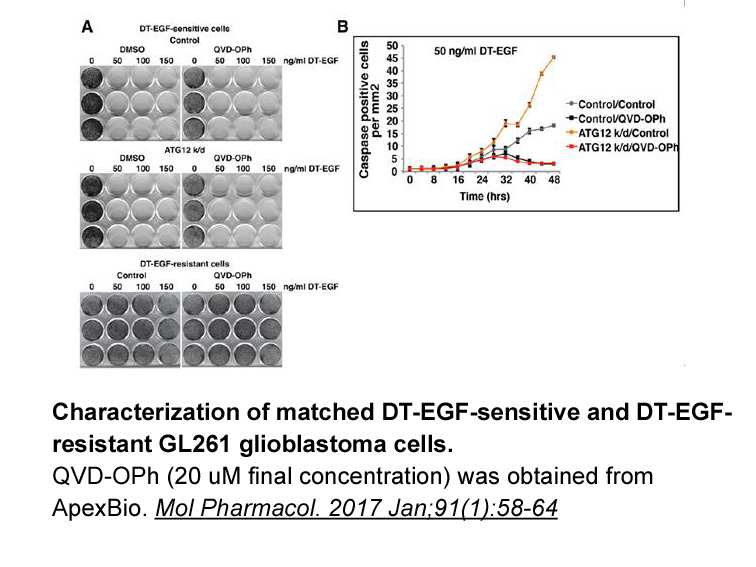
A variety of quinazoline or fused pyrimidine-substituted diaminotriazoles showed sub-100nM inhibition of Axl (). Diaminotriazoles similarly substituted with quinolines, isoquinolines and benzothiazoles also showed potent Axl activity (data not shown), but generally exhibited potent cytotoxicity and
-
Many reports have well documented that signaling pathways pl
2024-09-13
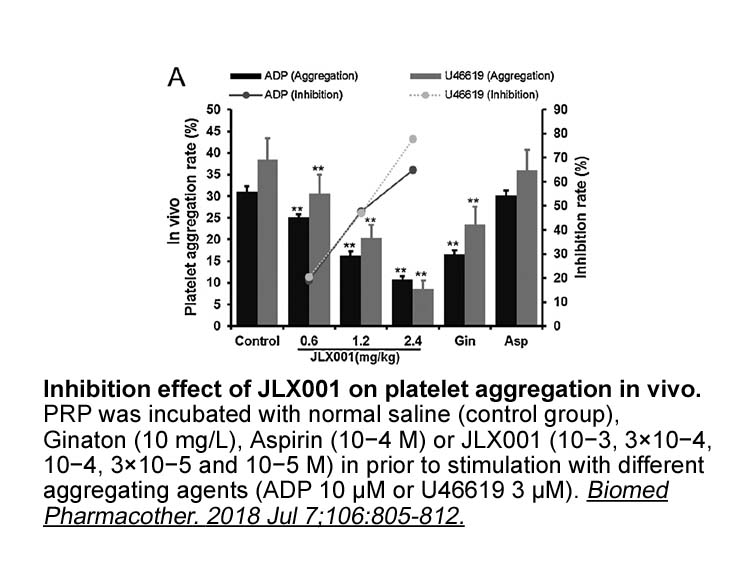
Many reports have well documented that signaling pathways play a pivotal role in controlling longevity. The most studied of these pathways is the IGF-1 pathway [11,12]. A disruption of this pathway has been found to extend longevity in different groups of species starting from Caenorhabditis elegans
-
br The future of cancer therapeutics
2024-09-13
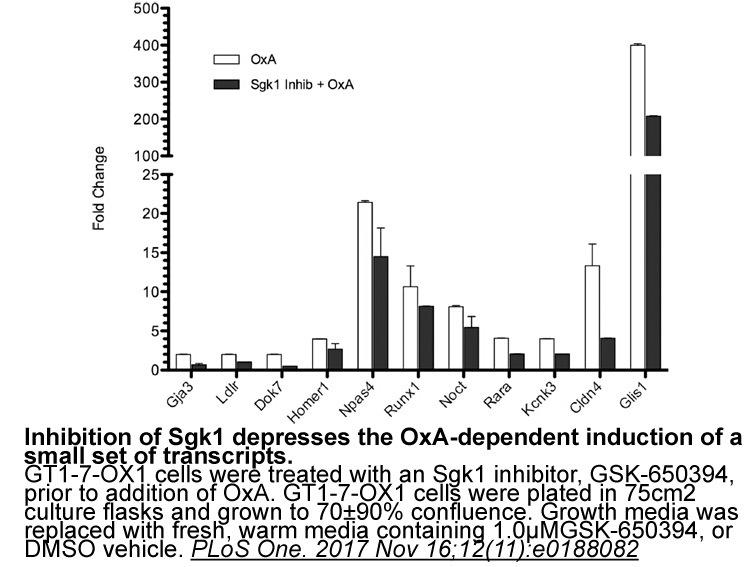
The future of cancer therapeutics with Aurora kinase inhibitors Involvement of Aurora kinases in deregulating multiple tumor suppressor and oncogenic pathways together with the preclinical findings on the efficacy of Aurora kinase inhibitors in attenuating growth of tumor A-769662 suggests that
-
The surprising finding of our study
2024-09-13
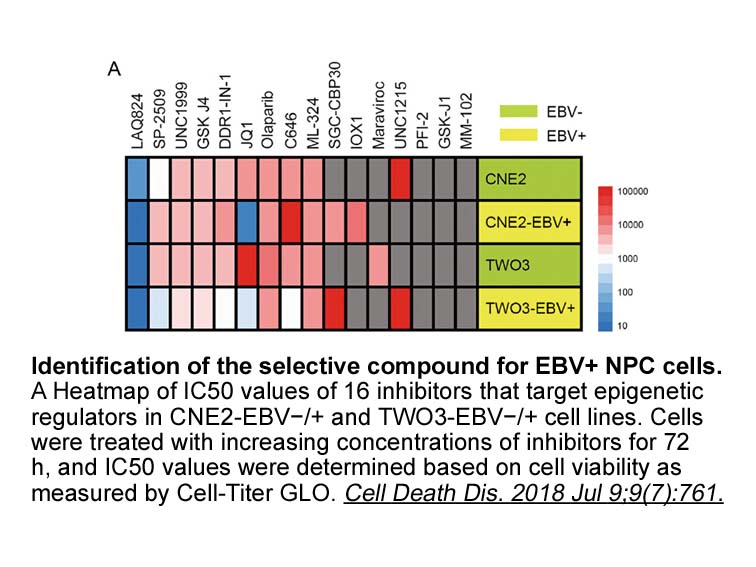
The surprising finding of our study is that human M1 macrophages stimulated by LPS express ALOX15B to high levels. So far 12/15-lipoxygenase activity was only reported for IL-4 stimulated anti-phlogistic M2 macrophages [9] but not for the classically activated M1 macrophages. Our data suggest that s
-
We further conducted stratified analyses
2024-09-13
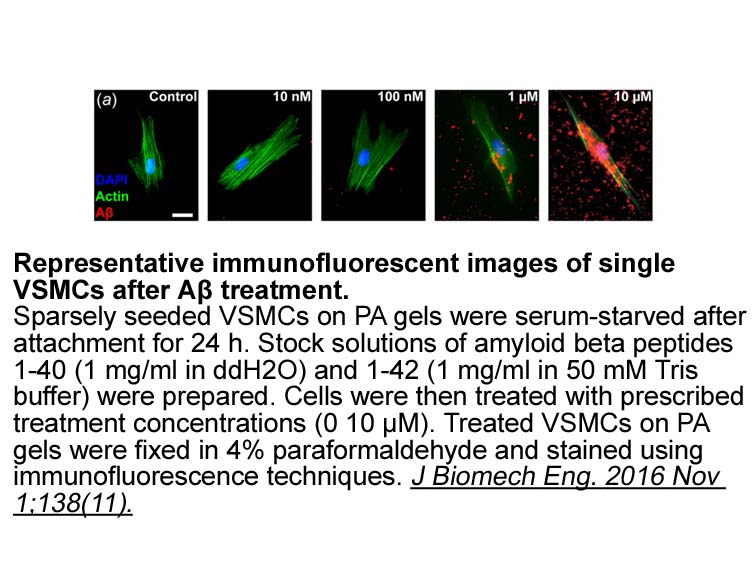
We further conducted stratified analyses to observe changes in enzyme levels across the periods by subgroups. Fig. 1 shows the changes in GPx levels by subgroups of age, sex, and smoking status. In all participants, GPx levels decreased when air pollution levels declined but increased after the Olym
-
Hsp also called FK binding
2024-09-13
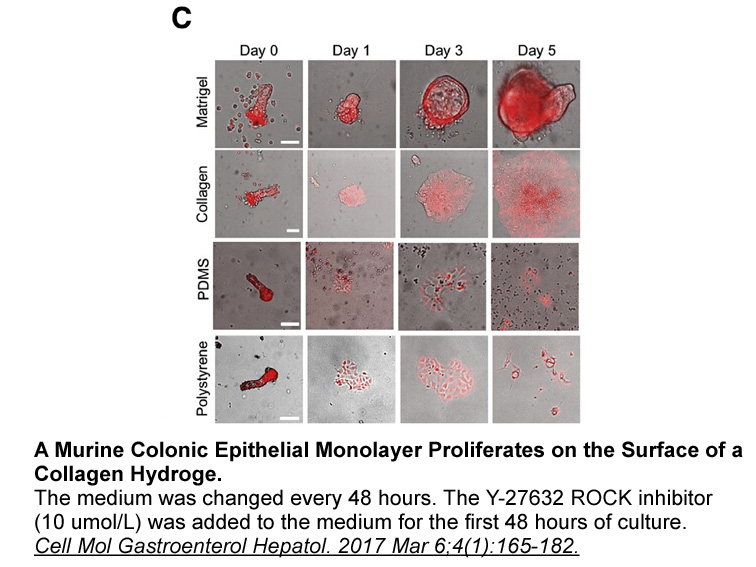
Hsp56 (also called FK506-binding protein 52, FKBP52) is one of the steroid receptor-associated immunophilins with tetratricopeptide repeat domains, which serve as binding sites for Hsp90 (Peattie et al., 1992). Hsp56 is elevated in breast cancer compared with normal breast tissue (Ward et al., 1999)
-
Interestingly we found that co
2024-09-13

Interestingly, we found that co-treatment with losartan prevented the increased participation of ROS from NADPH oxidase on the contractile response to Phe observed in Hg-treated rats. Moreover, losartan also prevented the reduction in the endothelial NO modulation of this response found in treated a
-
br Valsartan It is another ARB with several reports
2024-09-13
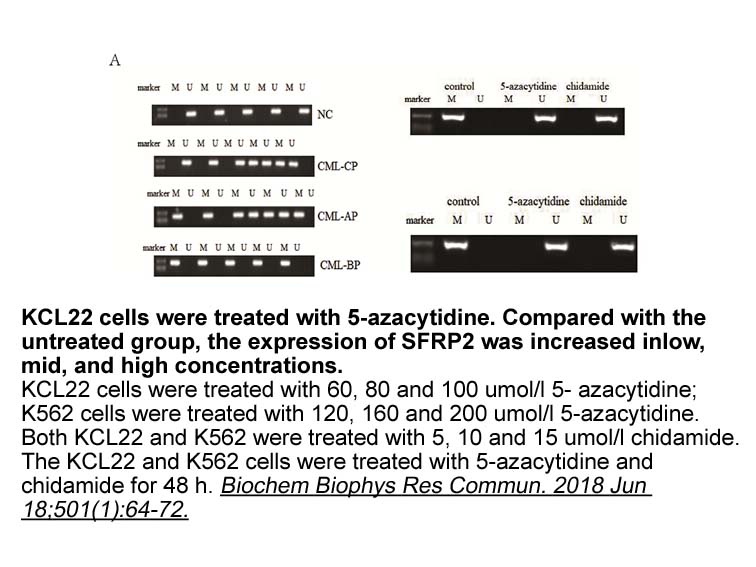
Valsartan It is another ARB, with several reports for its beneficial effects on CV system both in preclinical and clinical studies. Valsartan treatment has reduced the levels of pentraxin 3, a marker for inflammation and is well tolerated in terms of side effects [17]. In BSCORE study, 90-day sec
-
At the top of the S subsite cylinder are
2024-09-13
At the top of the S1 subsite cylinder are two “cap” residues: E572 and M1034 [13]. Atomic structures of PfA-M1 have revealed important clues into potential roles for the cap residues in substrate selection. In the PfA-M1:bestatin co-crystal structure ([13]; Fig. 1), the P1 phenyl ring occupies the S
-
MD was the recipient of the
2024-09-12

MD was the recipient of the Intergroupe Francophone de Cancérologie Thoracique (IFCT) Alain Depierre Grant in 2014. JP was the recipient of the ARISTOT (Association de Recherche, d’Information Scientifique et Thérapeutique en Oncologie Thoracique) grant in 2016. Conflicts of interest statement
8366 records 121/558 page Previous Next First page 上5页 121122123124125 下5页 Last page