Archives
- 2026-07
- 2026-06
- 2026-05
- 2026-04
- 2026-03
- 2026-02
- 2026-01
- 2025-12
- 2025-11
- 2025-10
- 2025-09
- 2025-04
- 2025-03
- 2025-02
- 2025-01
- 2024-12
- 2024-11
- 2024-10
- 2024-09
- 2024-08
- 2024-07
- 2024-06
- 2024-05
- 2024-04
- 2024-03
- 2024-02
- 2024-01
- 2023-12
- 2023-11
- 2023-10
- 2023-09
- 2023-08
- 2023-07
- 2023-06
- 2023-05
- 2023-04
- 2023-03
- 2023-02
- 2023-01
- 2022-12
- 2022-11
- 2022-10
- 2022-09
- 2022-08
- 2022-07
- 2022-06
- 2022-05
- 2022-04
- 2022-03
- 2022-02
- 2022-01
- 2021-12
- 2021-11
- 2021-10
- 2021-09
- 2021-08
- 2021-07
- 2021-06
- 2021-05
- 2021-04
- 2021-03
- 2021-02
- 2021-01
- 2020-12
- 2020-11
- 2020-10
- 2020-09
- 2020-08
- 2020-07
- 2020-06
- 2020-05
- 2020-04
- 2020-03
- 2020-02
- 2020-01
- 2019-12
- 2019-11
- 2019-10
- 2019-09
- 2019-08
- 2019-07
- 2019-06
- 2019-05
- 2019-04
- 2018-11
- 2018-10
- 2018-07
-
Both the kK and kK mediated ubiquitination leads to
2019-12-30
Both, the kK3 and kK5-mediated ubiquitination leads to rapid internalisation of target proteins followed by lysosomal degradation, similar to that seen for MARCH-1/8 [77]. Ubiquitination activity of kK3 and kK5 depends on the positioning of the targeted lysine (or cysteine) residues [22]. The positi
-
br Conclusion br Introduction br CRL E
2019-12-30
Conclusion Introduction CRL4 E3 ligases in tumorigenesis Small molecule-based PROTACs PROTAC: Major biological impacts Acknowledgements The authors sincerely apologize to all those colleagues whose important work was not cited in this paper owing to space limitations. They thank th
-
Given the important regulatory roles Ub
2019-12-30
Given the important regulatory roles Ub signaling pathways play in eukaryotes, bacterial pathogens and viruses have evolved elaborate mechanisms to hijack host Ub signaling pathways and evade the immune response. This is highlighted by the numerous E3 Ub ligases and spectrum of DUBs encoded by bacte
-
Additional derivatives were synthesised using a modified app
2019-12-30

Additional derivatives were synthesised using a modified approach (). Commercially available 4-bromo-2-methoxyaniline () was converted into the boronic ester , followed by a Suzuki–Miyaura cross-coupling with chromenone triflate to afford the corresponding arylamine . Acylation of with chloroacetyl
-
Third DGK protein stabilization by myristic acid is cell lin
2019-12-30
Third, DGKδ2 protein stabilization by myristic NB-598 is cell line specific. Myristic acid had no obvious effects on DGKδ protein stability in the liver cell line HepG2, pancreas cell line MIA-PaCa-2 and neuronal cell line Neuro-2a cells (Fig. 5). Although myristic acid moderately increased the DGK
-
The binding of collagen X to DDR differs from the
2019-12-30
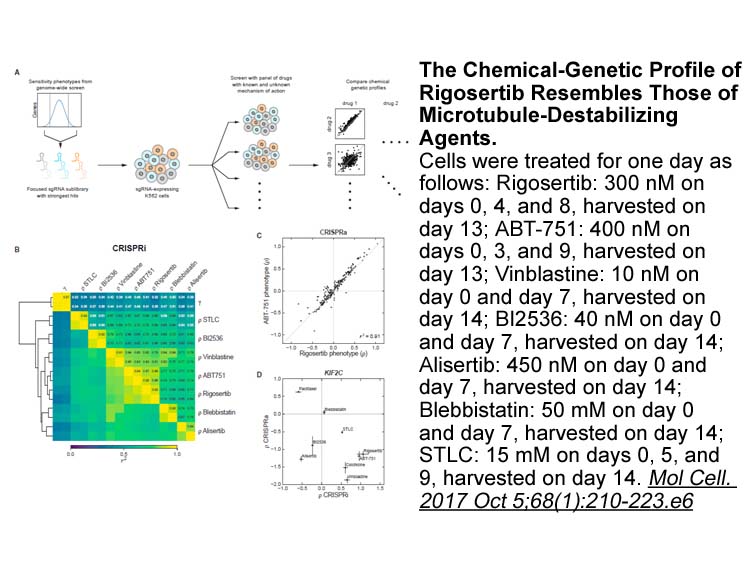
The binding of collagen X to DDR2 differs from the binding of collagen X to α2β1 integrin in that the triple helical conformation is essential for DDR2 binding. We previously reported that heat denatured pepsinised collagen X supported cell adhesion via α2β1, indicating that the triple-helical confo
-
A different example of substrate dependent
2019-12-29
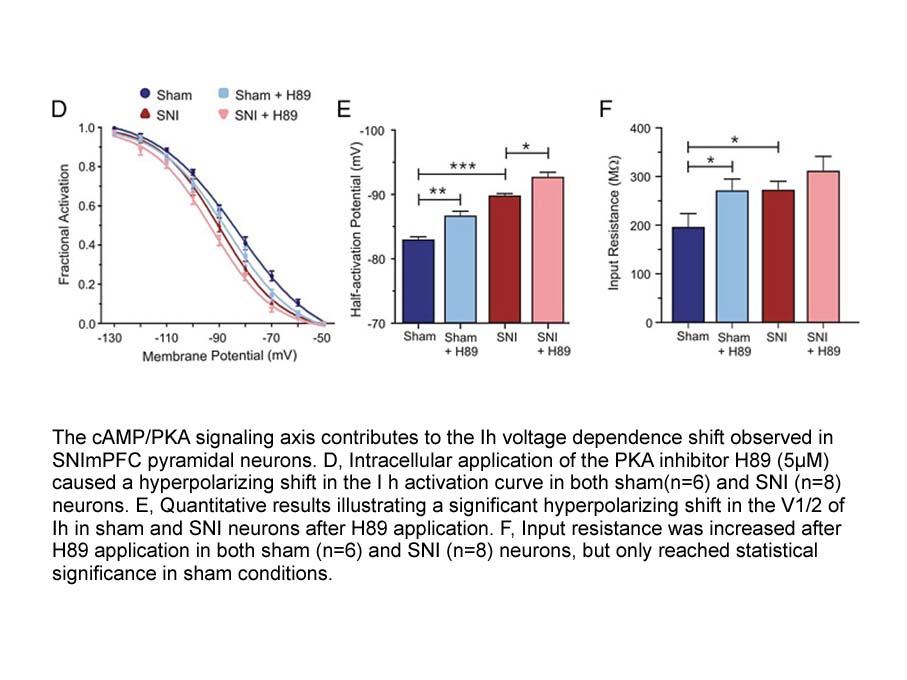
A different example of substrate-dependent activation is seen in CSN5, a JAMM-type DUB found in the eight subunit COP9 signalosome (CSN) [34]. The CSN deconjugates NEDD8 (neural precursor cell expressed developmentally downregulated 8) from Cullin Ring ubiquitin E3 ligases (CRLs). Through this activ
-
Moreover a ligand for fusin has recently been
2019-12-29
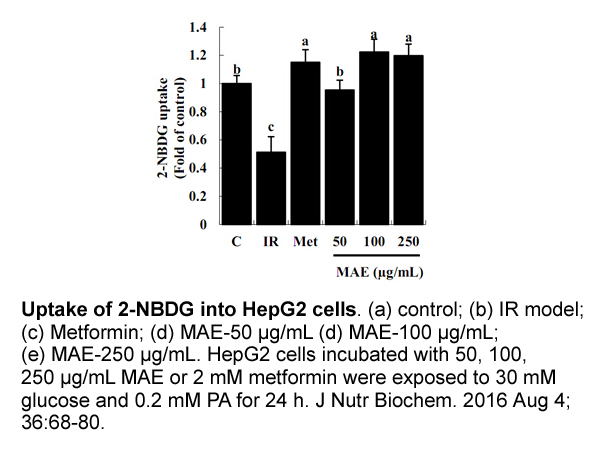
Moreover, a ligand for fusin has recently been found: the lymphocyte chemoattractant stromal-derived factor-1 (SDF-1) binds to CHO salt inducible kinase transfected with fusin and promotes secondary messenger production (Bleul et al., 1996; Oberlin et al., 1996). A new name, CXCR-4, has been propose
-
Lidocaine br Results br Discussion GPCRs recognize a broad r
2019-12-29
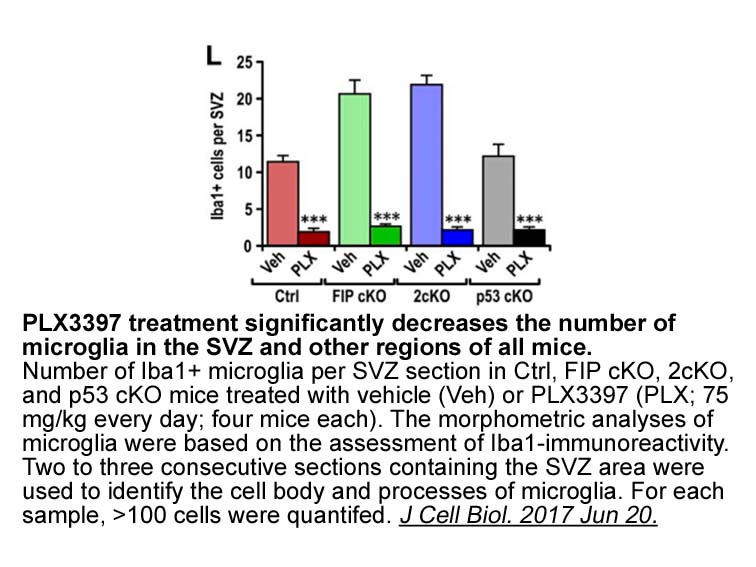
Results Discussion GPCRs recognize a broad range of molecules with a vast chemical Lidocaine through different mechanisms. Our understanding of the recognition of lipid mediators by GPCRs primarily comes from the structural studies of receptors for lysophospholipids and endocannabinoids includ
-
Chloramphenicol br Methods br Results br
2019-12-29
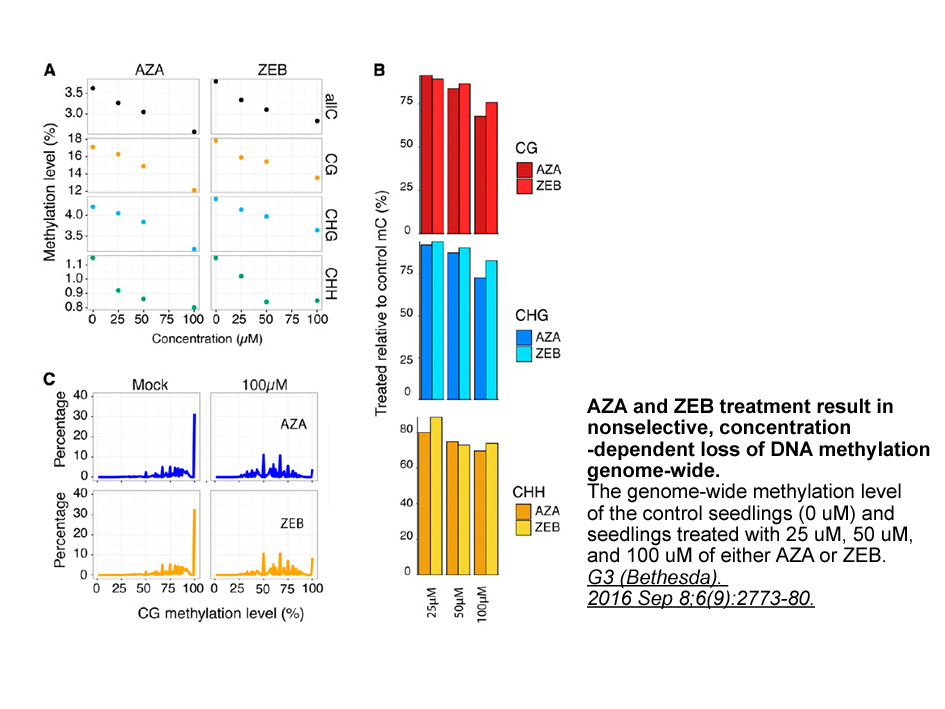
Methods Results Discussion Literature showed SN was well studied for its antigastric ulcer, antiinflammatory, antihyperglycemic, and antihyperlipidemic properties. Although a recent publication reported that SN was found to exert its regulatory effect in animal cholesterol levels, the exact
-
To better understand the mechanism of splicing
2019-12-29
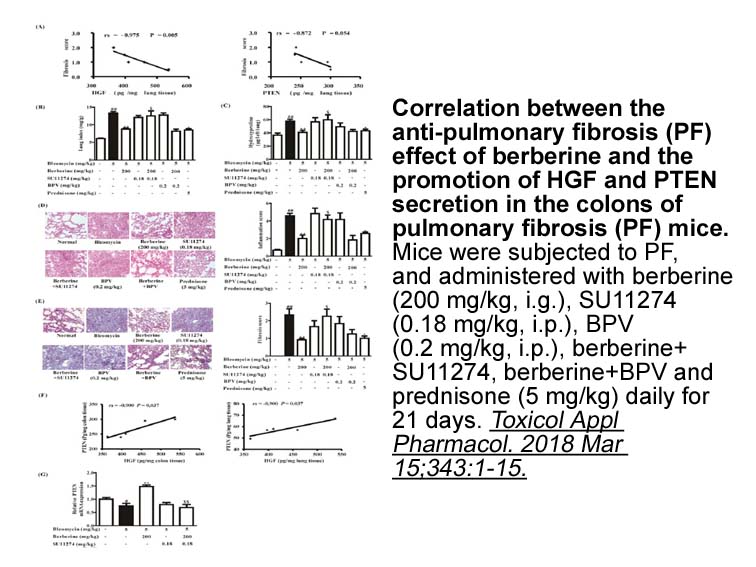
To better understand the mechanism of splicing in CLCN1, we began by constructing a minigene spanning exons 5–7 of CLCN1, resulting in the synthetic CLCN1 (5–7) minigene. We also established a new assay using real-time reverse transcription (RT)-PCR, which can distinguish between splicing variants b
-
Cy3 TSA br CXCR The CXC receptor
2019-12-29
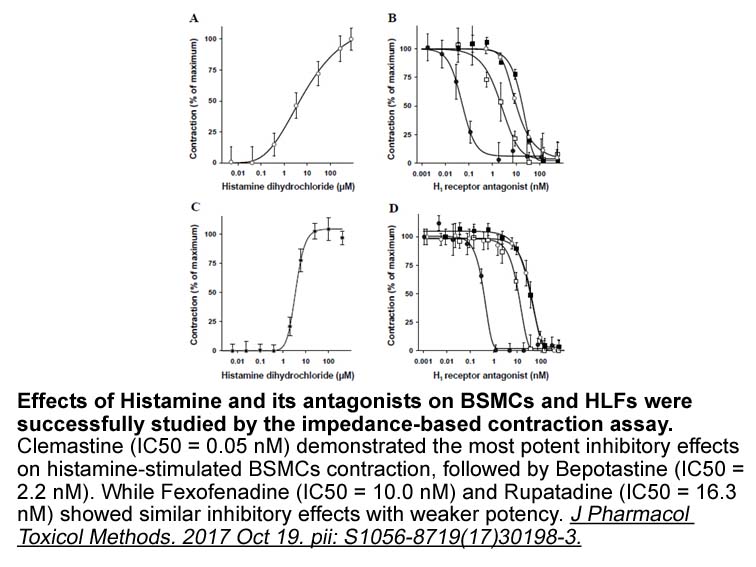
CXCR1/2 The CXC receptor 1 and 2 (CXCR1 and CXCR2) have been well characterised in vertebrates. In mammals and birds, the two receptors are shared by the ELR+ CXC ligands, namely the CXCL8 family members that have proinflammatory roles in recruitment of neutrophils, monocytes and macrophages to s
-
br Conclusion br Acknowledgement The project was supported
2019-12-29
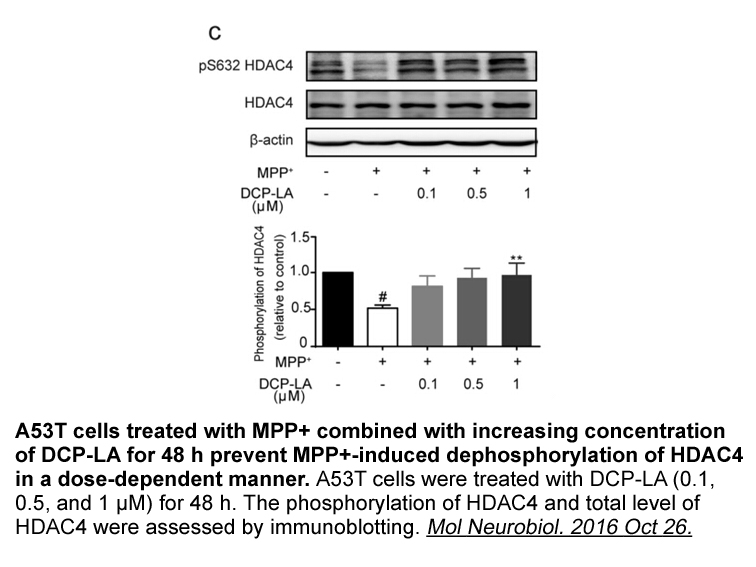
Conclusion Acknowledgement The project was supported by National Natural Science Foundation of China, China (No. 31872535); Natural Science Foundation of Shandong Province, China (ZR2018MC027, ZR2016CQ29); and Funds of Shandong \"Double Tops\" Program, China. Introduction High-altitude hyp
-
Autophagy is a dynamic process
2019-12-29
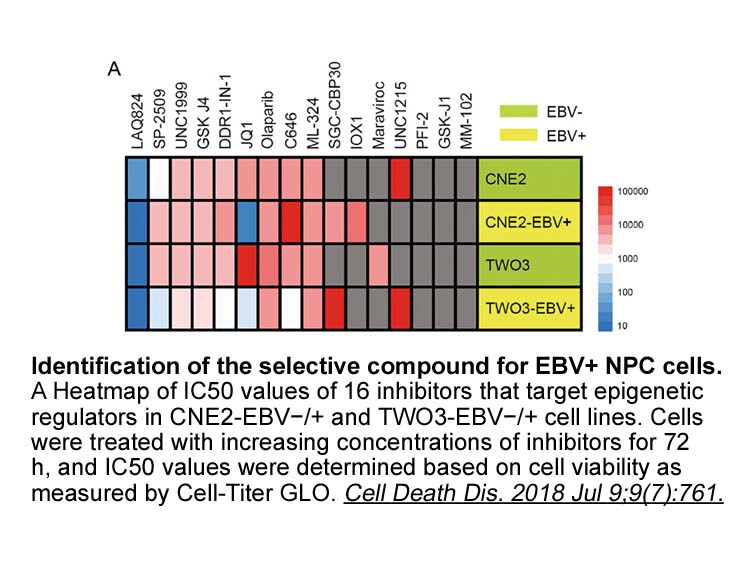
Autophagy is a dynamic process that primarily involves autophagosome formatting and lysosomal degradation, and these processes are controlled by autophagy-related genes (Atg) (Klionsky et al., 2012). The related protein SQSTM1/p62 (sequestosome 1) importantly serves as a signalling director in sever
-
br Clinical studies br Practical implications for young
2019-12-29
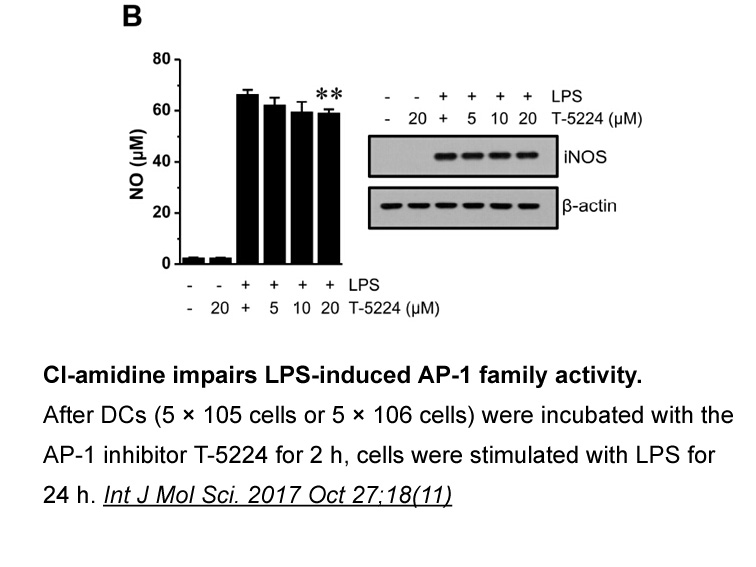
Clinical studies Practical implications for young women Conclusion Research on the oncogenic mechanism of hormones has advanced dramatically in the latter years. The finding that progestogens are more powerful determinants of risk than estrogens in breast cancer has been added to advances i
16178 records 910/1079 page Previous Next First page 上5页 906907908909910 下5页 Last page