Archives
- 2026-09
- 2026-08
- 2026-07
- 2026-06
- 2026-05
- 2026-04
- 2026-03
- 2026-02
- 2026-01
- 2025-12
- 2025-11
- 2025-10
- 2025-09
- 2025-04
- 2025-03
- 2025-02
- 2025-01
- 2024-12
- 2024-11
- 2024-10
- 2024-09
- 2024-08
- 2024-07
- 2024-06
- 2024-05
- 2024-04
- 2024-03
- 2024-02
- 2024-01
- 2023-12
- 2023-11
- 2023-10
- 2023-09
- 2023-08
- 2023-07
- 2023-06
- 2023-05
- 2023-04
- 2023-03
- 2023-02
- 2023-01
- 2022-12
- 2022-11
- 2022-10
- 2022-09
- 2022-08
- 2022-07
- 2022-06
- 2022-05
- 2022-04
- 2022-03
- 2022-02
- 2022-01
-
Histamine H and H receptor expression is altered
2022-01-03
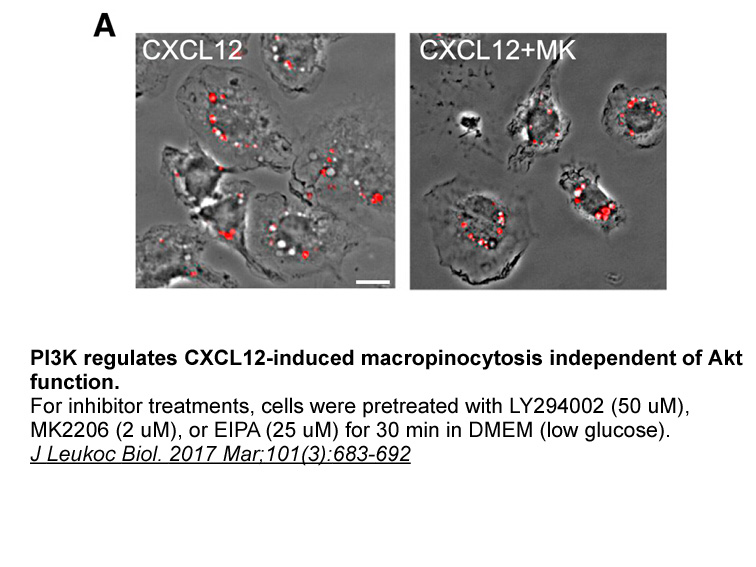
Histamine H2 and H3 receptor expression is altered in the acridine orange of Hdc mice (Chepkova et al, 2012, Fitzsimons and et al, 2001). Because these mice lack HA, expression of HA receptors might be thought to be irrelevant. This is not the case in Hdc heterozygotes, however, or in patients with
-
BMS 309403 A recent novel and important finding is that YAP
2022-01-03
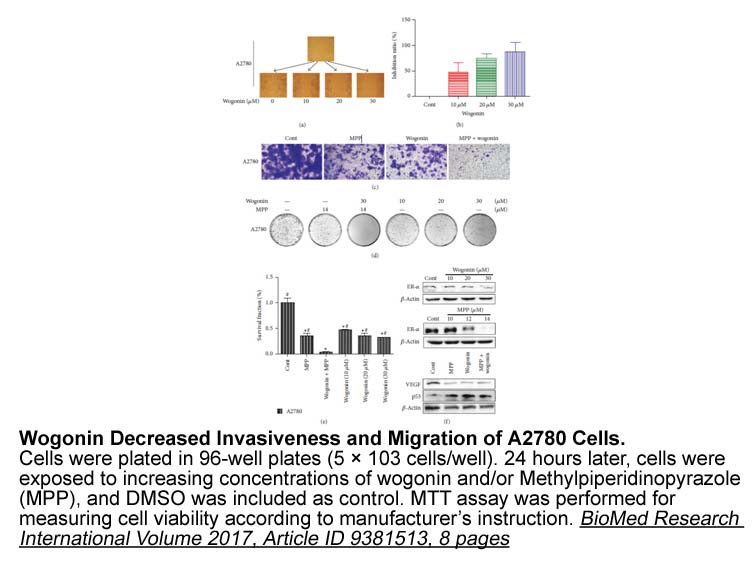
A recent novel and important finding is that YAP connects cellular growth with anabolism; YAP suppresses the transcriptional induction of genes which importantly regulate gluconeogenesis in the liver; namely glucose-6-phosphatase catalytic subunit (G6PC) and phosphoenolpyruvate carboxykinase 1 (PCK1
-
Under normal physiological conditions the body
2022-01-03
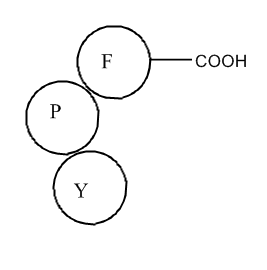
Under normal physiological conditions, the body has sufficient oxygen supply, so glucose can produce large amounts of ATP by aerobic oxidation and oxidative phosphorylation in cells. After SCI, hypoxia ischemia can occur in local tissue, leading to decreasing of intracellular oxygen partial pressure
-
VDAC interacts with hexokinase and
2022-01-03
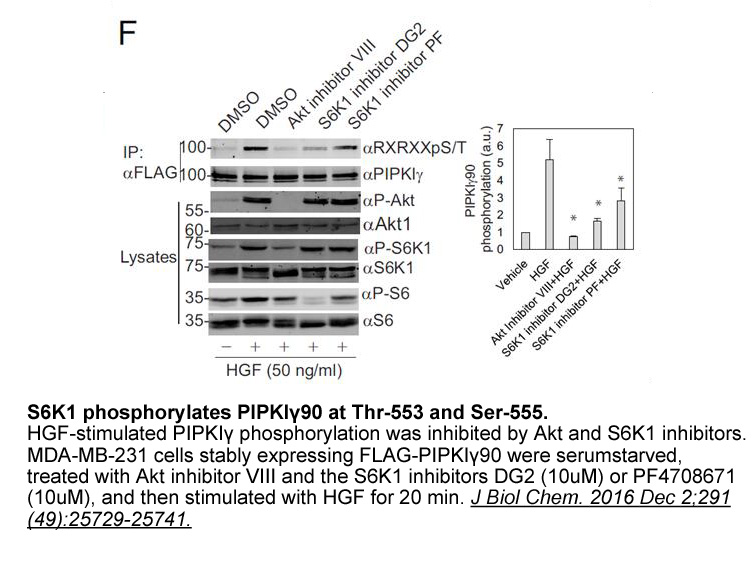
VDAC interacts with hexokinase and is implicated in NLRP3 activation in response to noxious stimuli including monosodium urate, silica, and alum (Zhou et al., 2011). Hexokinase dissociation may allow VDAC to carry out this role. It will be informative to block or silence VDAC to explore its function
-
Immunohistochemical evaluation of gastric cancer
2022-01-03
Immunohistochemical evaluation of gastric cancer tumor samples revealed that 57.8% (59/101) were positive for GLI1, and 71.3% (72/101) stained positive for SHH [27]. Overexpression of SHH and GLI1 protein were significantly associated with larger tumor size, tumor aggressiveness, and less different
8300 records 554/554 page Previous First page 上5页 551552553554